One of the most common questions men ask when they sit down in the chair at Ace of Fades 212 is some version of this: should I go with layers or keep it clean?
It sounds simple. It is not always. The right answer depends on your hair type, your face shape, how much time you want to spend styling in the morning, and, for clients wearing a hair system, what is going to look the most natural on your specific unit and hairline.
Here is what you actually need to know about layered vs. non-layered hair for men.
What Does Layered Hair Mean?
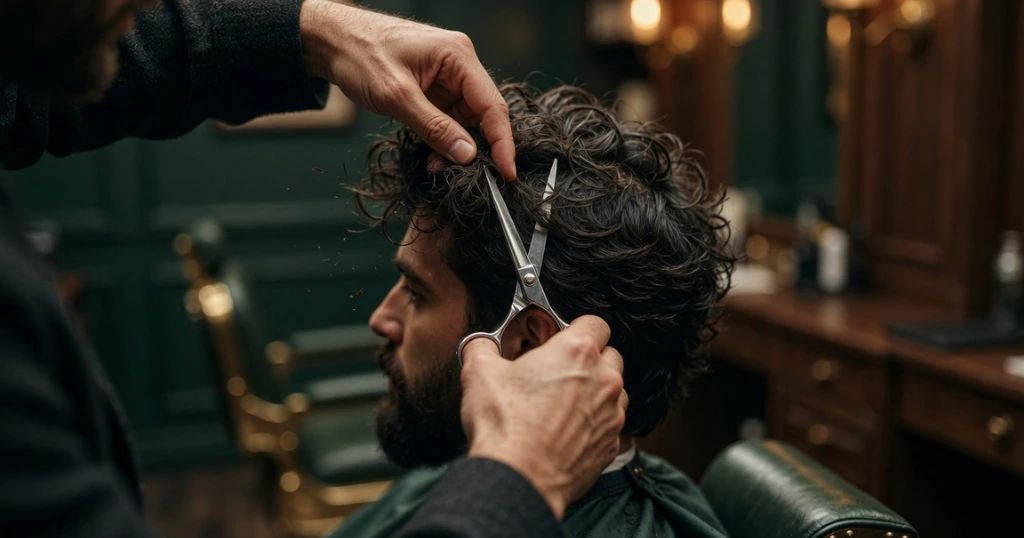
Layered hair means the hair is cut at different lengths throughout, so the ends do not all land at the same point. Shorter sections sit on top of or around longer ones, creating movement, texture, and shape within the cut.
The result is hair that lifts, separates, and moves naturally rather than sitting as one heavy block. Even thinner hair tends to look fuller with the right layers because the weight is distributed rather than concentrated at a single blunt line.
What Is Non-Layered Hair?
Non-layered hair, sometimes called a straight cut or blunt cut, means all the hair ends at approximately the same level. The bottom edge forms a clean, consistent line with minimal graduation between lengths.
The result is a structured, polished look with less visible texture. The hair sits more evenly and feels denser. It is easier to maintain between cuts because there is no layered shape to grow out of, just length.
Layered vs Non-Layered Hair: The Real Differences
Appearance and Texture
Layered hair looks more dynamic. The different lengths create visual dimension. The hair moves, catches light differently at various points, and has a natural texture that reads as lived-in rather than stiff.
Non-layered hair looks cleaner and more deliberate. It is structured and precise. If you want a sharp, well-defined look with a more classic feel, a blunt cut delivers that consistently.
Neither is better. They are genuinely different aesthetics, and the right one depends on the look you are going for.
Volume
This is where layers have a clear advantage for most men, particularly those with fine or thinning hair. Layers remove bulk from the interior of the cut while preserving length on the outside, which allows the hair to lift and appear fuller.
A non-layered cut keeps all the weight at the ends. On thick hair, this can look clean and intentional. On fine or thinning hair, it often makes the hair appear flatter and less voluminous, the opposite of what most men want.
Styling Flexibility
Layered hair is more versatile. Because the different lengths create built-in texture and movement, you can wear it a number of ways, pushed back, textured forward, side-parted, or tousled, and each style looks intentional. The layers do some of the work for you.
Non-layered hair has a more defined style direction. It tends to commit to one look and wear it consistently, which is either an advantage or a limitation depending on how you like to style.
Maintenance
Non-layered cuts grow out more forgivingly. There is no specific layered shape to preserve, so the cut holds its basic structure longer between trims. If you hate frequent barbershop visits, a cleaner, blunter cut gives you more flexibility in your schedule.
Layered cuts need more regular attention. As the layers grow, the shape softens and the volume and texture start to flatten. For most layered cuts, a trim every four to six weeks keeps the style looking intentional.
Different Types of Layers in Hair
Not all layers are the same, and understanding the types helps you have a more specific conversation with your barber:
Long layers — the shortest pieces are still relatively long, creating a subtle graduation. The difference in length between the top and bottom sections is gradual. Long layers add movement without dramatically changing the overall silhouette. Good for men who want a softer transition and prefer length.
Short layers — more aggressive graduation with a bigger difference between the shortest and longest pieces. Creates more pronounced texture and volume. Works well for men with thicker hair that needs weight removal, or for styles with significant height on top.
Face-framing layers — concentrated around the front of the haircut, particularly around the temples and forehead. Shapes how the face reads from the front without changing the overall weight of the cut significantly.
Textured layers — cut using point cutting or razor techniques rather than straight scissor cuts, creating a more irregular, piece-y texture. Very popular for modern men’s styles that are meant to look natural and slightly undone.
The difference between long layers and short layers matters most when you are deciding how much visual change you want and how your hair type will respond. Fine hair with short layers can look choppy if overdone. Thick hair with only long layers may not remove enough weight to sit correctly.
Layered vs. Non-Layered Hair for Men: Which Suits Your Hair Type?
Fine hair — layers almost always help. They create the illusion of volume and prevent the hair from lying flat. Short to medium layers work particularly well for adding lift at the roots.
Thick hair — both work, but layering removes bulk and makes thick hair more manageable and easier to style. Without layers, very thick hair can sit heavy and be difficult to control.
Curly hair — layered cuts help curls spring and define individually rather than bunching together in one heavy mass. Non-layered cuts on curly hair can create a triangular, top-heavy silhouette that most men want to avoid.
Straight hair — both work well. Non-layered cuts look particularly sharp on straight hair because the clean line is visible and precise. Layers on straight hair create more movement and a softer overall shape.
Layered vs. Non-Layered Hair and Face Shape
Your haircut should balance your face, not fight it.
Round face — avoid blunt cuts that emphasize width at the sides. Layers that add height on top and reduce bulk at the sides create a more elongated appearance.
Oval face — most cuts work well. Both layered and non-layered options are viable, which gives you the most freedom to go based on personal preference.
Square face — textured layers soften the strong jawline and add movement that balances the angular structure. A very blunt, heavy cut can make the jaw appear more prominent.
Long or narrow face — avoid excessive height on top, which elongates the face further. Non-layered cuts or subtle layers with width at the sides balance better.
What About Layered Hair for Men Wearing a Hair System?
For clients at Ace of Fades 212 wearing a hair system, the layered vs. non-layered question has an extra dimension.
The goal with any hair system cut is to make the unit and your natural hair read as one continuous style. Layers are a powerful tool for achieving that. They create a soft, graduated transition between the unit hair and your natural hair at the sides and back, which makes the overall result look more seamless and natural.
A blunt, non-layered cut on a hair system can sometimes create a visible line where the unit ends and your natural hair begins, particularly if there is a density difference. Textured layers blend that transition so it disappears.
That said, some men wearing hair systems specifically want a sharp, structured look, and a skilled barber can achieve that too. The key is having the conversation upfront about what you want so the cut is designed around the result, not just the style.
Marcos has been cutting and styling hair systems for over two decades at Ace of Fades 212. Every cut is done with the unit and the natural hair in mind together, not as two separate things.
Layered or Non-Layered: A Quick Comparison
| Layered | Non-Layered | |
| Look | Textured, dynamic, full | Clean, structured, polished |
| Volume | More | Less |
| Styling options | Highly versatile | More defined |
| Maintenance | More frequent trims | Lower maintenance |
| Best for | Fine, thick, curly hair | Straight, thick hair |
| Hair system clients | Blends transitions naturally | Can show unit line if not cut carefully |
Frequently Asked Questions
What is the difference between layered and non-layered hair?
Layered hair is cut at different lengths to create movement and volume. Non-layered hair ends at the same level for a clean, structured line. The difference shows most clearly in how the hair moves and how full it appears.
Is layered hair better for men with thinning hair?
Generally yes. Layers distribute weight and create the appearance of volume, which helps thinning hair look fuller. A blunt, non-layered cut can emphasize flatness on fine or thinning hair.
Can you get layers with short hair?
Yes. Layers work at most lengths. They are just more subtle at shorter lengths. Texture and graduation can still be built into short men’s cuts to create movement and shape.
How often do layered cuts need trimming?
Every four to six weeks to maintain the shape and keep the layers from growing flat. Non-layered cuts can typically go longer between trims.
Does hair type change which cut works better?
Significantly. Fine hair almost always benefits from layers. Thick hair benefits from layers for weight removal. Curly hair needs layers to define and spring properly. Straight hair works well with either depending on the look you want.
Book Your Cut at Ace of Fades 212
Whether you want a layered, textured style or a clean, structured cut, or you are wearing a hair system and want both to look like one, Marcos Monje has been doing this in Midtown Manhattan for over twenty years.
Book your appointment today.
📞 (646) 245-2346 | 127 E 59th St, Suite 60, New York, NY 10022